You Can't Afford a Website? You Can't Afford Not to Have One.
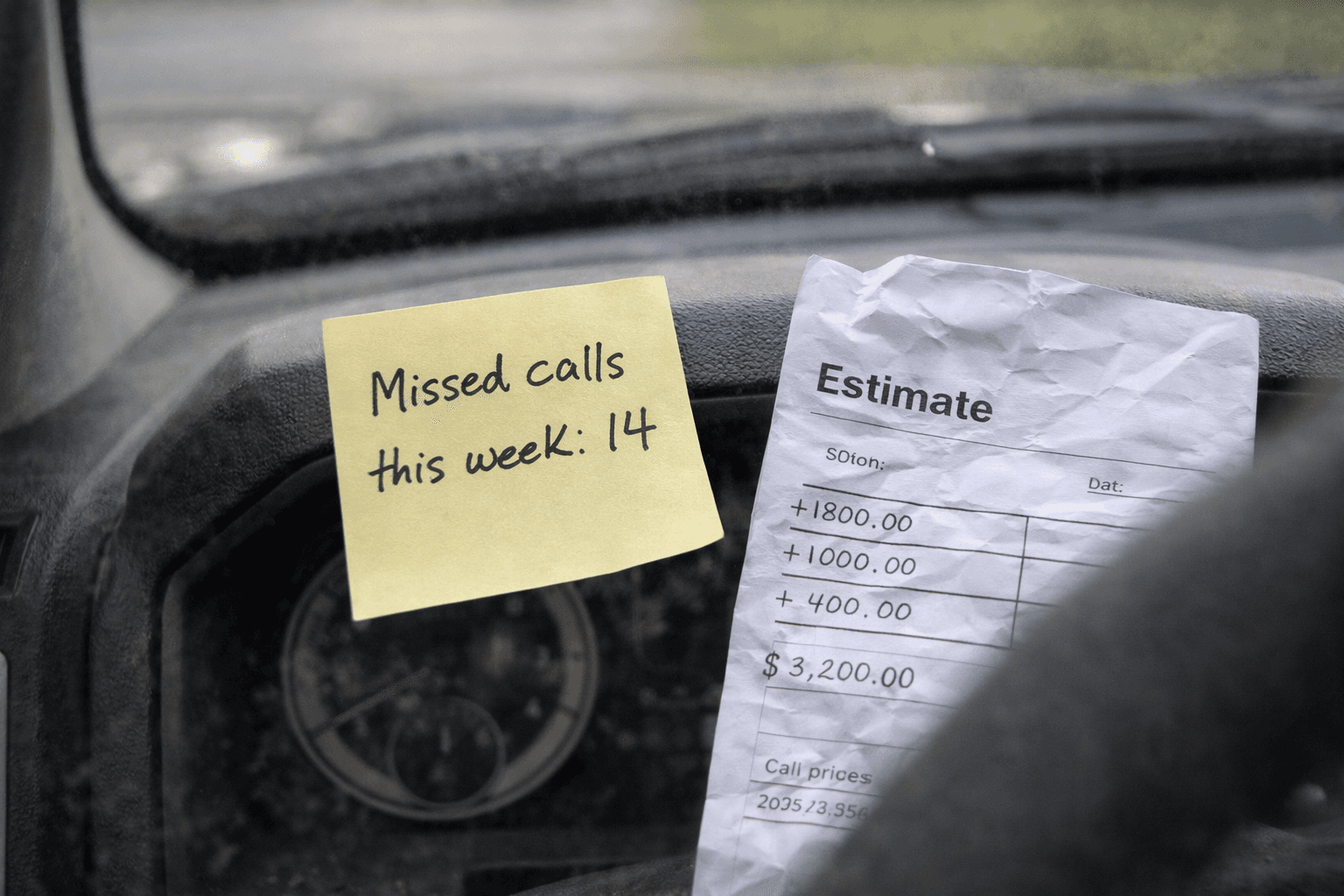
Let's Just Do the Math
How much is one job worth to your business? If you're a plumber, maybe it's $300 for a quick fix or $3,000 for a repipe. If you're a roofer, a single job could be $8,000 or more. Cleaners, HVAC techs, painters, electricians, the numbers vary but the point is the same. One customer is worth real money.
Now think about how many people searched for your service in your area this week and found someone else because you didn't have a website. You'll never see those leads. They don't call to tell you they almost hired you. They just go to whoever shows up online.
If a website brings you even one extra job per month, it pays for itself many times over. That's not marketing spin. That's just arithmetic.
The Cost of Being Invisible
When you don't have a website, here's what you're actually paying for without realizing it.
Missed referrals. Someone recommends you, the person googles your name, finds nothing, and hires someone else. You earned that lead through years of good work and lost it because of a missing web page.
Missed calls with no follow up. You're on a job, can't answer the phone, and that customer moves on in 90 seconds. Without an automated system to text them back, that lead is gone forever.
Zero presence in search. When someone types "electrician near me" and you don't show up, every single one of those potential customers goes to your competitors. Every single one.
No review visibility. Even if you have great reviews on Google, they're competing with every other listing. Reviews on your own website reinforce trust for people who are already considering you.
Add all of that up over a year. How many jobs is that? Two? Five? Ten? Now multiply by your average job value. That's what not having a website actually costs.
"I'll Get One When Business Picks Up"
This is the trap. You're waiting for more work to justify the expense, but you need the website to get more work in the first place. It's circular, and it keeps a lot of good businesses stuck.
The slow months are exactly when you need a website most. When referrals dry up and the phone isn't ringing, a website with local SEO is still out there working. It's showing up in searches, capturing leads at 10pm on a Tuesday, and following up with people who filled out a quote form while you were asleep.
Waiting for business to pick up before investing in the thing that brings in business is like waiting to be in shape before you start exercising. The tool comes first. The results follow.
Compare It to What You Already Spend
Most contractors spend money on things that don't generate a single lead. Truck wraps, yard signs, business cards, sponsoring the little league team. None of those are bad, but none of them are measurable either. You have no idea if that truck wrap has ever generated a phone call.
A website is one of the few investments where you can actually track the return. You can see how many people visited, how many filled out a form, and how many turned into jobs. Try getting that data from a yard sign.
And unlike a truck wrap that costs $2,000 and does nothing if your truck is parked in the garage, a website works 24 hours a day whether you're on a job, at dinner, or asleep.
The Real Question
The question isn't "can I afford a website?" The question is "how many jobs am I losing every month because I don't have one?"
If the answer is even one, and it's almost certainly more than one, then the website isn't an expense. It's the cheapest source of new business you'll ever find.
Want to see what you're leaving on the table? We'll run a free audit of your online presence and show you exactly where leads are slipping through the cracks. No commitment, no sales pitch. Just the numbers.